Medical Spa Billing in 2026
Cosmetic vs Medically Necessary Claims and the New Supervision Laws
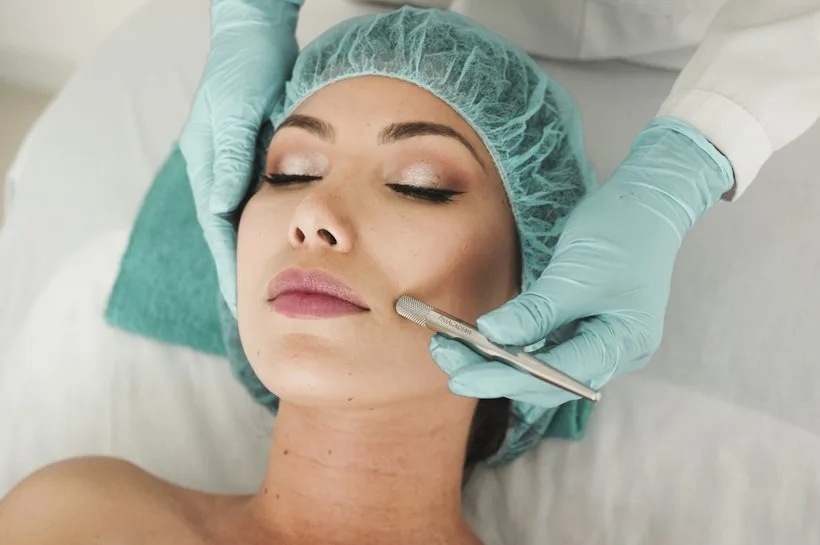
A California cosmetic surgery center operator was sentenced to 97 months in prison and ordered to pay $14 million in restitution for billing facelifts, tummy tucks and breast augmentations to insurance as medically necessary surgery, part of a scheme with an intended loss of more than $44 million. A separate, smaller case saw an Iowa physician pay $198,755 to resolve allegations that he billed cosmetic body contouring as hernia repair. Different scale, same single mistake: coding a cosmetic service as something a payer would actually pay for.
Medical spas sit on exactly that fault line every day, often without the compliance infrastructure a hospital or large physician group has built up over years. The same injector who does a purely cosmetic wrinkle treatment on one patient does a genuinely medically necessary migraine treatment on the next, using the same drug, the same needle, and a completely different billing path. Mix the two up and you've recreated the exact pattern that's sent people to prison.
Here's where the cosmetic-vs-medical line actually sits, how Botox for migraine gets coded correctly, what several states changed about who can perform these procedures in 2026, and what the enforcement history should tell you about where to tighten your own documentation.
Cosmetic vs Medically Necessary: Where the Line Actually Sits
Insurance pays for Botox and similar treatments only when they're medically necessary, never for the cosmetic use case. Cosmetic Botox for wrinkles falls under the Social Security Act's exclusion for services that aren't medically necessary, and it can't be billed with a therapeutic CPT code no matter how a chart note is worded. That's not a gray area; it's a statutory exclusion.
The same active ingredient has a genuinely medical use: chronic migraine treatment, billed under CPT 64615, which covers injections into specific head, neck and face muscles for that indication. The drug itself is billed separately under J0585, and the diagnosis has to support medical necessity, commonly chronic migraine documented at 15 or more headache days a month, coded to something like G43.709. Use 64615 for a migraine patient who genuinely meets that clinical picture, and never for a patient whose actual complaint is cosmetic.
| Scenario | Billing path | Code |
|---|---|---|
| Botox for facial wrinkles | Cosmetic, self-pay, no insurance claim | No therapeutic CPT code applies |
| Botox for chronic migraine, documented criteria met | Medical claim to insurance | 64615 (injection) + J0585 (drug) |
| Drug waste from a single-dose vial | Reported alongside the administration code | JW (waste amount) or JZ (no waste) |
Drug Waste: JW and JZ Modifiers on Every Botox Claim
Botox and similar neurotoxins come in single-dose vials, and real-world dosing rarely uses the entire vial on one patient. Both the amount administered and the amount discarded need to be billed and documented, reported with modifier JW for the wasted portion or JZ to affirmatively state that nothing was wasted. Skipping this distinction, either by billing only the administered dose and pocketing the rest silently, or by claiming waste that didn't actually happen, is its own compliance problem layered on top of the cosmetic-vs-medical question.
Keep a waste log tied to lot numbers and vial sizes, independent of the claim itself, so a reviewer can reconcile what a vial should have yielded against what was billed as administered plus wasted. This is a small operational habit that closes a real audit gap cheaply.
- Log vial size, dose administered and waste on every injection. Tie it to the lot number for traceability.
- Use JZ deliberately, not by default. It's an affirmative statement that no waste occurred, not a placeholder.
- Reconcile waste logs against purchasing records quarterly. A mismatch here is one of the easier things for a payer to catch.
New State Supervision Laws Reshaping Who Can Treat and Bill
2026 brought real regulatory movement on who's allowed to perform these procedures, and billing has to follow the same lines of authority. California's SB 351 took effect January 1, 2026, and it classifies neurotoxins, dermal fillers, medical lasers, IV hydration and deep chemical peels as the practice of medicine, which must happen inside a physician-majority Professional Medical Corporation, preceded by a Good Faith Examination and a Patient-Specific Order. The same law bars management service organizations from exercising control over medical decisions, closing a structure some med spas had used to let a non-physician owner effectively run the clinical side.
California's supervision standard for delegating to a registered nurse doesn't require the physician in the room, but it does require what's described as "Adequate Supervision," meaning the physician has to be reachable and has to have examined the patient before delegating the task. Rhode Island took a different approach with its Medical Spas Safety Act, limiting who can perform cosmetic medical procedures to physicians, physician assistants and advanced practice registered nurses, with the state's health department directed to issue implementing regulations by July 1, 2026. Federal attention has followed the state activity: trade coverage from mid-2026 describes agencies increasingly treating med spas like traditional medical practices, and flags nurse scope creep through standing orders and sham medical directorships as a specific concern.
- Confirm your state's 2026 supervision requirements directly. Several states changed rules this year; don't rely on what was true in 2025.
- Document the Good Faith Examination where required. It's becoming a named, specific requirement in multiple states, not just good practice.
- Review your management structure against "shadow control" rules. California's SB 351 specifically targets non-physician entities directing medical decisions.
What the Fraud Cases Should Tell You About Your Own Risk
The scale of these two cases is different by two orders of magnitude, $44 million intended loss on one end, under $200,000 on the other, but the underlying mechanism is identical: a cosmetic service, coded and billed as something medically necessary, so insurance pays for what the patient actually wanted done cosmetically. Neither case needed a sophisticated scheme to get caught; both involved procedures that, on close inspection, simply didn't match the diagnosis code billed.
A medical spa doesn't need to be running an intentional scheme to end up in the same position. A front-desk habit of defaulting to "let's try billing insurance" for a borderline case, or a provider who documents loosely because the patient is clearly there for cosmetic reasons but asks about insurance anyway, can produce the exact same claim pattern a fraud investigator would flag, without anyone intending fraud at all. The legal exposure doesn't care about intent at the False Claims Act level the way it might at sentencing.
- Train front-desk and intake staff on the cosmetic-vs-medical question. Nobody should offer to "try" billing insurance for a clearly cosmetic request.
- Audit your medical-necessity claims quarterly. Pull a sample and confirm the documentation actually supports the diagnosis billed.
- Separate cosmetic and medical patient intake entirely where possible. Different forms, different flow, different billing path from the first visit.
Build the Medical Spa Billing Workflow
Run cosmetic and medical services through genuinely separate operational tracks, not just separate codes applied after the fact. Intake should ask the actual clinical question, what is the patient's complaint, before any discussion of insurance, so the cosmetic-vs-medical determination happens at the front door rather than retroactively at the billing desk.
Keep your supervision and delegation documentation current with this year's specific state requirements, not a general sense of how things have always worked. Review drug waste logging and JW/JZ modifier use as a standing monthly check, not an annual one.
- Ask the clinical question at intake, before billing enters the conversation. This single habit prevents most cosmetic-vs-medical mix-ups.
- Keep Good Faith Examination and delegation records current. Multiple states now name these specifically in 2026 rules.
- Audit medical-necessity claims on a fixed quarterly schedule. Catch the pattern before a payer or investigator does.
- Log and reconcile drug waste monthly. It's a small habit that closes a real gap.
Our guide to dermatology billing covers adjacent coding for skin procedures with their own medical-necessity questions, and our medical necessity documentation guide walks through the chart-note standard that supports any medical claim, cosmetic practice or not.
Frequently Asked Questions About Medical Spa Billing
Can a medical spa bill insurance for Botox?
Only when it's medically necessary. Cosmetic Botox for wrinkles is excluded from coverage under Section 1862(a) of the Social Security Act and can't be billed with therapeutic codes. Botox for chronic migraine is billed under CPT 64615 with the drug reported separately under J0585, and it requires documentation supporting the diagnosis, commonly headaches on 15 or more days a month, coded to a qualifying diagnosis like G43.709.
What changed for medical spa supervision rules in 2026?
Several states tightened delegation and supervision rules in 2026. California's SB 351, effective January 1, 2026, classifies neurotoxins, dermal fillers, medical lasers, IV hydration and deep chemical peels as the practice of medicine, requiring a physician-majority Professional Medical Corporation, a Good Faith Examination and a Patient-Specific Order, and it bars management companies from exercising control over medical decisions. Rhode Island's Medical Spas Safety Act limits who can perform cosmetic medical procedures and directed its health department to issue implementing regulations by July 1, 2026.
What is the JW and JZ modifier used for in Botox billing?
JW reports the amount of a single-dose vial's drug that was discarded rather than administered, and JZ confirms that no drug was wasted. Both the amount administered and the amount wasted should be billed and documented, since billing only the administered amount without accounting for waste, or billing waste that didn't actually occur, are both compliance problems on a Botox claim.
What is the risk of billing a cosmetic procedure as medically necessary?
It's health care fraud. A well-known California case saw a cosmetic surgery center operator sentenced to 97 months in prison and ordered to pay $14 million in restitution for billing cosmetic procedures, including facelifts and body contouring, to insurance as medically necessary surgeries, in a scheme with an intended loss of more than $44 million. A separate case saw an Iowa physician pay $198,755 to resolve allegations that he billed cosmetic body contouring and tummy tucks as hernia repair and tissue transfer procedures.
Related Resources
Free Download: The 10-Point RCM Health Check
The billing gaps most practices don't catch until they show up as denials. Get the checklist: free, no spam.
✓ Got it! Your info is saved: view the checklist now →
We don't share your info. Unsubscribe any time.
Want Your Cosmetic and Medical Claims Cleanly Separated?
Rcmaxis builds the intake and documentation workflow that keeps cosmetic and medically necessary services on the right billing path from the first visit.
Get Your Free Revenue AssessmentReferences
- U.S. Department of Justice, Central District of California. Two Found Guilty in Scheme That Bilked Insurance Plans of More Than $50 Million for Unneeded Medical Procedures. justice.gov/usao-cdca/pr/two-found-guilty-scheme-bilked-insurance-plans-more-50-million-unneeded-medical
- Beckers ASC. Woman Pleads Guilty in $44M Scheme to Fraudulently Bill Cosmetic Surgeries. beckersasc.com
- Beckers ASC. Former Surgeon to Pay $200K for False Claims Allegations. beckersasc.com/asc-news/former-surgeon-to-pay-200k-for-false-claims-allegations.html
- D.J. Holt Law. What Counts as the Practice of Medicine in California Med Spas. djholtlaw.com/what-counts-as-the-practice-of-medicine-in-california-med-spas
- Nixon Peabody. Rhode Island Enacts Medical Spas Safety Act. nixonpeabody.com/insights/alerts/2025/07/02/rhode-island-enacts-medical-spas-safety-act
- American Bar Association, Business Law Today. Mitigating Risk in the Evolving Medspa Landscape. americanbar.org/groups/business_law/resources/business-law-today/2026-june
- Coding Ahead. Botox Injection CPT Codes (64615, J0585, JW/JZ Modifiers). codingahead.com/botox-injection-cpt-codes