Dental-Medical Cross-Coding 2026
Billing Oral Surgery and TMJ to Medical Insurance
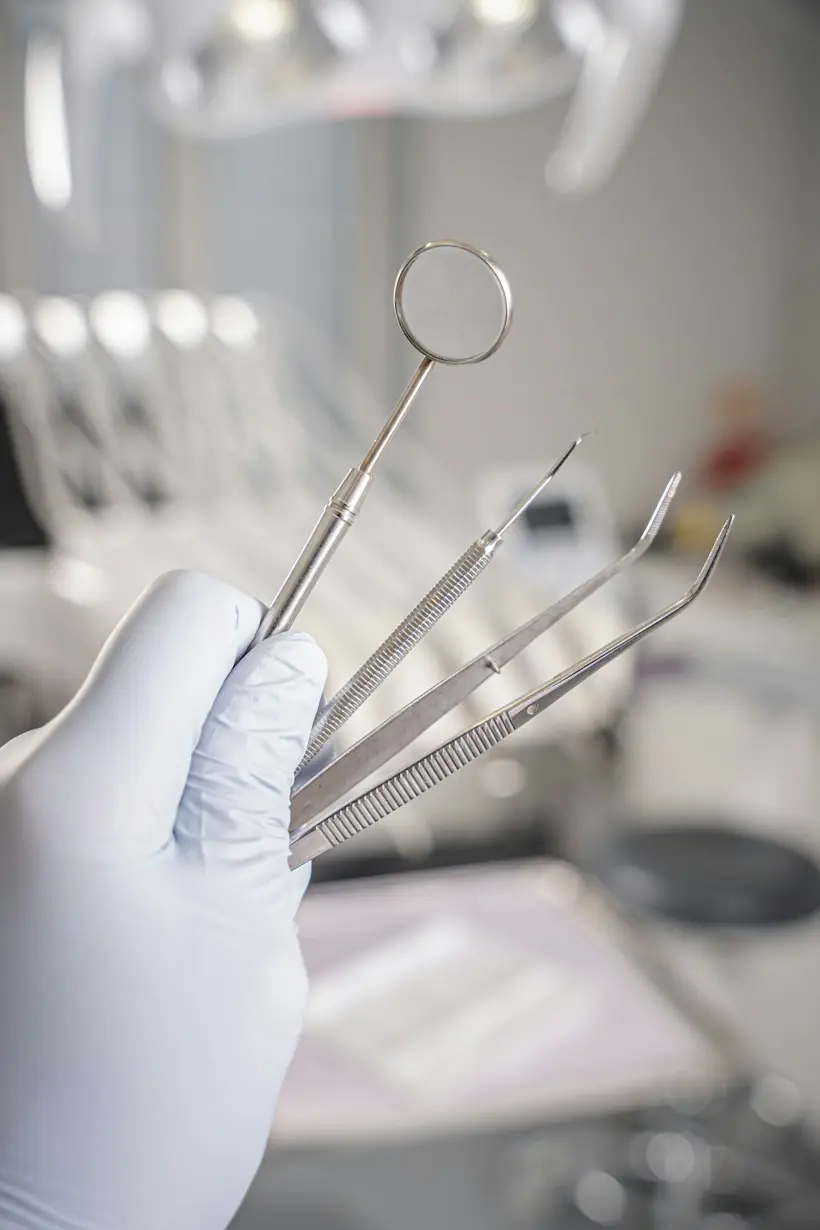
Oral and maxillofacial surgery, TMJ treatment, and sleep apnea oral appliances sit in an unusual billing position: the procedure happens in a dental or oral surgery setting, but when it's medically necessary rather than purely restorative or cosmetic, it has to be billed to medical insurance using an entirely different code system than the one the practice normally uses. Practices that only occasionally cross-code, an oral surgeon's office that mostly bills dental but handles the occasional trauma case, or a sleep medicine practice that refers out for oral appliances but still handles some of the billing; are the ones most likely to get this wrong, because the dental-to-medical translation isn't something their regular workflow builds in.
This guide covers when cross-coding applies, the specific documentation medical payers actually require, TMJ and sleep apnea appliance billing in detail, and the denial patterns that show up most often when a dental-coded claim gets forced into a medical claims process it was never built for. The financial stakes here are real: a recurring gap in this area adds up to lost or delayed revenue every month.
When a "Dental" Procedure Becomes a Medical Claim
The dividing line is medical necessity, not where the procedure happens. A tooth extraction for dental decay is a dental claim. The same extraction, performed because the tooth is a source of infection risk before a patient starts chemotherapy or receives an organ transplant, is a medical claim, the clinical reason for the procedure changed, even though the procedure itself didn't. The most common categories where this distinction actually matters in billing volume are oral and maxillofacial trauma and pathology, TMJ disorder treatment, medically necessary extractions tied to a broader medical treatment plan, biopsies of oral lesions, and oral appliances for diagnosed sleep apnea.
TMJ Treatment: Coding and the Documentation Bar Payers Set High
Temporomandibular joint disorder treatment is one of the more heavily scrutinized categories in dental-medical cross-coding, largely because TMJ symptoms are common but surgical intervention is not always considered medically necessary by payers, and coverage policies tend to be restrictive.
| Code | Description | Key Note |
|---|---|---|
| 21050 | Condylectomy | Requires imaging-confirmed structural pathology, not symptoms alone |
| 21060 | Meniscectomy, partial or complete | Same imaging and conservative-treatment-failure documentation standard applies |
| 70328-70332 | TMJ radiography and MRI, unilateral/bilateral, with/without contrast | Imaging typically must precede surgical authorization, not follow it |
| 21089 | Unlisted maxillofacial prosthetic procedure | Used for TMJ oral appliances not covered by a more specific code; requires a detailed cover letter |
Most payer medical policies for TMJ surgery require documented evidence that conservative treatment (physical therapy, oral splints or appliances, anti-inflammatory medication, or occlusal therapy) was tried first and failed, along with imaging that confirms a structural diagnosis rather than relying on reported symptoms alone. A prior authorization submitted with only a clinical exam note and no imaging, or without documented conservative treatment history, is one of the most common reasons TMJ surgical claims get denied before they're even reviewed on medical necessity grounds.
Sleep Apnea Oral Appliances: A Different Payer Pathway Entirely
Mandibular advancement devices for obstructive sleep apnea, billed under HCPCS code E0486, follow a documentation and claims pathway that's closer to durable medical equipment billing than to typical oral surgery billing, because that's exactly what it's classified as. These claims are typically processed through the DME Medicare Administrative Contractor rather than a standard Part B or medical MAC, and they're held to DME's detailed written order and medical necessity documentation standard.
| Requirement | Detail |
|---|---|
| Diagnostic confirmation | Polysomnography or home sleep apnea test confirming an obstructive sleep apnea diagnosis |
| Physician order | A written order from a qualified physician, meeting DME's detailed order documentation standard |
| CPAP trial documentation | Most payers require documented CPAP failure or intolerance before covering an oral appliance as an alternative, not a first-line choice |
| Claims routing | Processed through the DME MAC, not the standard medical or dental claims pathway |
- The sleep study report itself, not just a referring note stating the patient "has sleep apnea"
- A physician order dated after the diagnostic study, not before it
- Documented CPAP trial outcome: successful documentation of intolerance matters as much as documentation of the trial itself
- Confirmation the claim is routed to the correct DME MAC jurisdiction for the patient's location, not a general medical payer address
The Compliance Angle: Why Cross-Coded Claims Draw Extra Scrutiny
Claims that cross between two different code systems and two different clinical framings, dental necessity versus medical necessity for what can be the same underlying procedure, sit in a documentation gray area that program integrity reviewers pay particular attention to. OIG's broader DME program integrity work has repeatedly flagged insufficient physician documentation and orders that don't meet the required written order standard as recurring findings across DME categories, and oral appliances fall under that same DME compliance framework rather than getting a lighter standard because the device originates from a dental specialty.
The recurring risk pattern in cross-coded dental-medical claims isn't fraudulent billing; it's usually a documentation gap created by the fact that the clinical team thinks in dental terms (this tooth needs to come out, this joint needs surgery) while the payer's claims system and audit standards are built entirely around medical necessity language and medical code definitions. Closing that gap means building medical-necessity documentation into the clinical workflow before the claim is coded, not translating it after the fact when a denial or audit request forces the issue.
Common Cross-Coding Denial Patterns and Fixes
| Denial Reason | Root Cause | Fix |
|---|---|---|
| Claim rejected outright | CDT code submitted to a medical payer that can't process it | Cross-code to the correct CPT/HCPCS equivalent before submission, never submit CDT to a medical payer |
| TMJ surgery prior auth denied | No imaging or documented conservative treatment failure in the submission | Require imaging and a documented conservative-treatment trial in every TMJ surgical case file before authorization request |
| E0486 denied | Missing CPAP trial documentation or a written order that predates the sleep study | Sequence documentation correctly: sleep study first, order second, referencing the study by date |
| Extraction billed to medical denied | Documentation shows dental necessity language only, not the medical condition driving the extraction | Document the medical diagnosis and treatment plan requiring the extraction explicitly, not just "tooth needs removal" |
| Unlisted code claim denied for insufficient detail | 21089 or similar unlisted code submitted without a detailed cover letter explaining the procedure | Always accompany unlisted procedure codes with a cover letter describing the service in medical terms a non-dental reviewer can evaluate |
What a Cross-Coded Procedure Is Worth Under the Medical Benefit
When a jaw joint procedure is medically necessary and billed correctly to the medical plan, the numbers are different from anything a dental plan pays. On the 2026 Medicare fee schedule, 21050 (removal of the jaw joint) is worth $795.94 and 21060 (removal of the jaw joint cartilage) is worth $717.45. The imaging that supports them matters too: 70328 pays $34.07 and 70332 pays $79.83.
Many commercial plans price from their own schedules, so treat these as reference points rather than what you'll collect. They do show the scale: one correctly routed surgical case is worth several hundred dollars more than a typical dental claim.
The Cost of Routing a Medical Claim to the Wrong Benefit
Say an oral surgery practice sends 25 medically necessary cases a month to the dental plan by default. If the medical plan would have paid an average of $796 and the dental plan pays 40% less, the practice loses roughly $7,959 a month, or $95,513 a year. That's a modeling assumption, not a promise, but it shows why the routing decision at intake matters.
The fix is a short decision rule at scheduling: is there a medical diagnosis, a medical necessity letter and a covered procedure? If yes, check the medical plan first.
Frequently Asked Questions About Dental-Medical Cross-Coding 2026
Can dental procedures be billed to medical insurance?
Yes, when the procedure is medically necessary rather than purely for oral health or cosmetic reasons. Common examples include TMJ disorder treatment, oral surgery related to trauma or pathology, extractions required before cancer radiation or organ transplant, biopsies of oral lesions, and oral appliances for diagnosed obstructive sleep apnea. Medical payers process CPT and HCPCS codes, not CDT dental codes, so the claim generally has to be cross-coded to the equivalent medical code and supported with documentation establishing medical necessity, not just a dental diagnosis.
What documentation is required to bill a sleep apnea oral appliance to medical insurance?
Billing HCPCS code E0486 for a mandibular advancement device requires a polysomnography or home sleep apnea test confirming a diagnosis of obstructive sleep apnea, a prescription or order from a qualified physician, and in most cases documentation that the patient either failed a trial of CPAP therapy or has a medical contraindication to using it. The claim is typically processed through the DME Medicare Administrative Contractor rather than the standard Part B MAC, and it must meet the same detailed written order and medical necessity documentation standard CMS applies to other durable medical equipment.
What CPT codes are used for TMJ surgery?
TMJ surgical procedures are billed with CPT codes in the 21xxx maxillofacial surgery range, including 21050 for condylectomy and 21060 for meniscectomy, along with diagnostic imaging codes such as 70328 through 70332 for TMJ radiography and MRI. Medical payers generally require documentation of a structural diagnosis confirmed by imaging and evidence that conservative treatment (physical therapy, oral appliances, or medication) was tried and failed before authorizing surgical intervention, since TMJ coverage policies are typically among the more restrictive medical necessity criteria in a payer's policy manual.
Related Resources
Free Download: The 10-Point RCM Health Check
The billing gaps most practices don't catch until they show up as denials. Get the checklist: free, no spam.
✓ Got it! Your info is saved: view the checklist now →
We don't share your info. Unsubscribe any time.
Revenue check: The repayment math is unforgiving: a 3-year lookback on a recurring documentation gap here can grow into a sizable repayment demand, plus the cost of defending the appeal. Run a quarterly sample of 20 to 30 claims in this category against the supporting documentation. It's a small time investment that reliably catches five-figure problems before a payer does.
Keep this on a schedule: Build this check into your month-end close rather than treating it as a special project. Practices that do typically recover $5,000 to $18,000 a year they'd otherwise have written off.
Are Your Cross-Coded Claims Documented Correctly?
Rcmaxis reviews TMJ, oral surgery, and sleep appliance claims for the medical necessity documentation payers actually require, before a denial or audit forces the fix.
Get Your Free Revenue AssessmentReferences
- American Dental Association. Coding. ada.org
- Centers for Medicare & Medicaid Services. Medicare Claims Processing Manual, Chapter 12: Physicians/Nonphysician Practitioners. cms.gov/regulations-and-guidance/guidance/manuals/downloads/clm104c12.pdf
- Centers for Medicare & Medicaid Services. Physician Fee Schedule. cms.gov/medicare/payment/fee-schedules/physician
- Centers for Medicare & Medicaid Services. National Correct Coding Initiative Policy Manual for Medicare Services. cms.gov/medicare/coding-billing/national-correct-coding-initiative-ncci-edits/medicare-ncci-policy-manual
- Centers for Medicare & Medicaid Services. Medicare Program Integrity Manual (Pub. 100-08), Chapter 3: Verifying Potential Errors and Taking Corrective Actions. cms.gov/Regulations-and-Guidance/Guidance/Manuals/downloads/pim83c03.pdf
- HHS Office of Inspector General. Work Plan. oig.hhs.gov/reports/work-plan
- HHS Office of Inspector General. General Compliance Program Guidance. oig.hhs.gov/documents/compliance-guidance/1135/HHS-OIG-GCPG-2023.pdf